
We have all been there. You try to log into an account, and you draw a blank. What was the password? Was it the dog’s name with a number at the end? Or maybe that favorite song lyric? You guess a few times, and then you get locked out. It is frustrating.
The problem is that simple passwords are easy for others to figure out. But crazy long ones with random letters are hard to remember. The best thing is you can fix this today. You just need a simple plan to generate password ideas that are tough to crack but simple for you to recall.
Stop using family names:
Many people use the names of their kids, partners, or pets. This is a bad idea. This information is often easy to find on social media. If someone wants to break into your accounts, they will try these names first. They might also try your birthday or street name. Do not use anything that relates to your personal life.
Mix up character types:
A strong code needs variety. You should use a mix of capital letters, small letters, numbers, and symbols. A word like “house” is weak. But “Hou$e” is a little better. Try swapping letters for numbers that look similar. This small trick makes your password look random, but it is still easy for you to type.
Think in phrases, not words:
A single word is too short. A short word can be guessed by a computer in seconds. A better method is to think of a full sentence. Take a line from a book or a silly song you like. For example, “Ilovemydogmax” is longer and harder to guess than just “max”. You can even add a number at the end. Long phrases are much safer because they take more time for hacking tools to figure out.
Use a password manager:
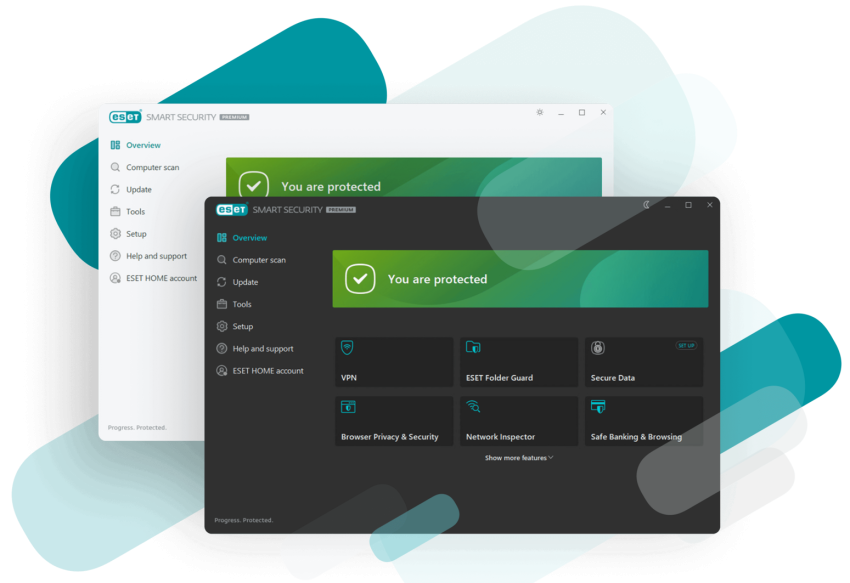
You have many accounts. It is impossible to remember a different complex code for every single one. Trying to do so in your head will only lead to frustration. This is where a tool can help. A password manager is like a secure notebook. It stores all your login details for you. You only need to remember one very strong master code to open the manager. The tool then fills in your details when you visit websites.